
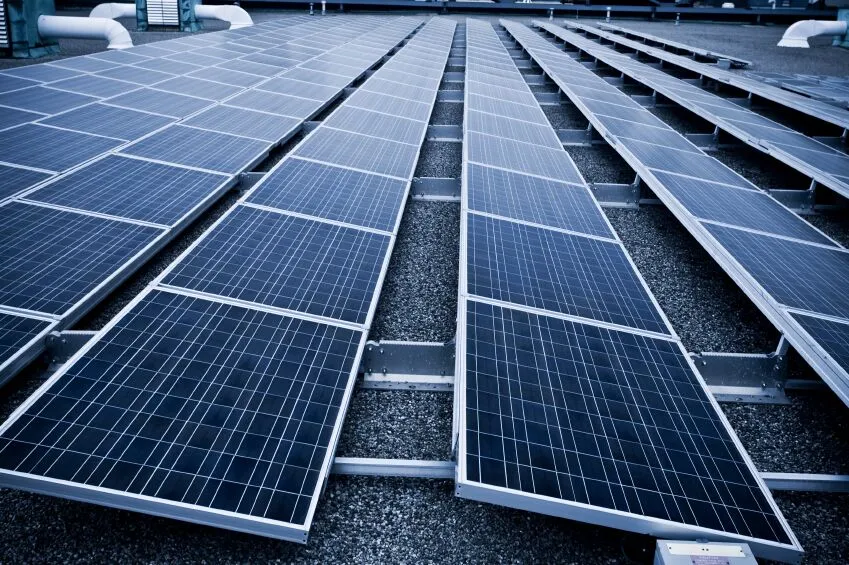
Energy costs continue rising across the United States, pushing companies to rethink long-term operational efficiency. Many organizations now explore commercial solar PV to reduce dependency on unstable utility pricing structures. Decision-makers also evaluate partnerships with reliable commercial solar PV installers to ensure performance and compliance.
Businesses today expect more than savings. They want predictable energy, measurable sustainability outcomes, and long-term asset value. Solar solutions now align with financial planning, environmental goals, and brand positioning. This shift reflects a broader move toward energy independence and operational resilience.
What Makes Commercial Solar a Strategic Investment?
Commercial solar is no longer just an environmental choice. It is a financial strategy backed by strong data. According to the U.S. Department of Energy, solar adoption can reduce electricity costs by up to 75 percent over time. These systems also offer tax incentives, accelerated depreciation, and strong return on investment.
A well-designed commercial solar PVsystem provides stable energy pricing for decades. Businesses gain control over one of their largest operating expenses. This stability supports better forecasting and long-term budgeting decisions. It also protects companies from sudden rate increases and market volatility.
How Do Installers Influence System Performance?
The quality of installation directly impacts system efficiency, safety, and long-term reliability. Experienced commercial solar PV installers ensure proper system design, panel placement, and electrical integration. They also handle permits, inspections, and grid interconnection requirements.
A skilled installer evaluates site conditions, including roof structure, shading, and energy consumption patterns. This assessment ensures optimal system sizing and maximum energy output. Poor installation can reduce performance and increase maintenance costs over time. Therefore, choosing the right installer becomes a critical business decision.
Can Solar Support Sustainability and Compliance Goals?
Sustainability has become a key priority for modern businesses. Customers, investors, and regulators expect clear environmental commitments. Solar energy helps companies reduce carbon emissions and meet compliance standards effectively.
A commercial solar PV system significantly lowers greenhouse gas emissions compared to traditional energy sources. Many organizations now include solar adoption in their ESG reporting strategies. This approach enhances brand reputation and builds trust with stakeholders.
Government policies also encourage renewable adoption through incentives and rebates. Businesses that act early can benefit from these programs before they change or phase out. This creates both environmental and financial advantages.
What Are the Long-Term Operational Benefits?
Solar systems require minimal maintenance once installed correctly. Modern panels have lifespans exceeding 25 years with consistent performance. Monitoring systems allow businesses to track energy production in real time.
Working with trusted commercial solar PV installers ensures ongoing support and system optimization. Many providers offer maintenance plans and performance guarantees. This reduces downtime and ensures consistent energy generation.
Solar also increases property value and can make facilities more attractive to investors or tenants. It reflects forward-thinking management and operational efficiency. Over time, the system pays for itself while continuing to generate savings.
Are There Challenges Businesses Should Prepare For?
Despite its benefits, solar adoption requires careful planning. Initial investment costs can be significant, though financing options are widely available. Businesses must also evaluate roof conditions and available space before installation.
Regulatory requirements vary by state and local jurisdiction. This makes it essential to work with experienced commercial solar PV installers who understand compliance standards. Proper planning helps avoid delays and unexpected costs.
Another consideration involves energy storage and grid reliance. Some businesses may benefit from battery systems to store excess energy. This adds resilience during outages and improves overall energy management.
How Can Companies Maximize Solar ROI?
Maximizing return on investment requires strategic planning and expert execution. Businesses should conduct detailed energy audits before installing a commercial solar PV system. This ensures accurate system sizing and performance expectations.
Choosing the right installer plays a major role in achieving desired outcomes. Experienced commercial solar PV installers provide insights into design, technology, and incentives. They help businesses navigate complex decisions with confidence.
Companies should also monitor system performance regularly and schedule maintenance when needed. This ensures consistent efficiency and long-term savings. Data-driven insights can further optimize energy usage across operations.
Conclusion: A Smarter Energy Future with Rocknoll Energy Systems
Businesses that adopt commercial solar PV today position themselves for long-term financial and operational success. The role of skilled commercial solar PV installers becomes essential in delivering reliable, efficient systems. With the right approach, solar energy transforms from an expense into a strategic asset.
Rocknoll Energy Systems supports this transition with proven expertise, tailored solutions, and a strong focus on performance. Their approach aligns system design with real business needs, ensuring measurable outcomes. Companies that partner with Rocknoll Energy Systems gain more than solar installation. They gain a dependable path toward energy efficiency, sustainability, and long-term value.